Ayurvedic medicine describes six rasas, or types of taste: madhura—sweet; amla—sour; lavana—salty; katu—hot; tikta—bitter; and kashai—astringent. All play an important role in your digestion and dosha balance.
One of the basic principles of Ayurveda is that the six tastes should be incorporated in the diet (ideally in every meal) for optimum health and nutrition. In this article, we’ll be focusing on bitter and astringent tastes.
In Western cuisine, where sugary sweets and salty foods are popular, these bitter and astringent foods often take a backseat! But people who need to balance Pitta and Kapha generally need to eat more of these two tastes.
Ayurveda and the two kinds of taste
In Ayurveda, taste applies not only to the sensations on your tongue, but also to the final reaction of the food you eat in the acid medium of your stomach. When you’re eating, the taste in your mouth is known as svadu; and when you’re digesting, the taste in your stomach is called paka.
How are these two things different? Here’s an example: Ayurveda classifies wheat bread as sweet, even though the taste in your mouth is not as sweet as, say, a piece of candy. But its reaction in the stomach makes it sweet.
How bitter and astringent tastes help your body
Internally, things that taste bitter help to balance Pitta and Kapha. They decrease water retention, and certain bitter foods can be used as a tonic for a congested liver.
The bitter taste is cleansing and helps to take away burning and itching sensations (though in excess it can aggravate Vata and dehydrate the body). The astringent taste internally purifies the blood and helps balance both Pitta and Kapha. In excess, it creates gas and constipation. A little of both can go a long way!
Here are some examples of foods and spices that have bitter and astringent tastes:
Bitter foods:
- Bitter melon and gourd
- Japanese eggplant
- Turmeric
- Fenugreek seeds
- Leafy greens
- Barley
- Basil
- Nettle
- Jicama
- Lettuce
- Aloe Vera
Astringent foods:
- Apple
- Pomegranate (tastes sour on the tongue but is both astringent and bitter)
- Pear
- Quinoa
- Legumes
- Tofu
- Sprouts
- Beans
- Lentils
Try to include some of these foods in your daily diet—especially if you are looking to balance Pitta or Kapha.
Easy ways to eat more Ayurvedic bitter & astringent foods
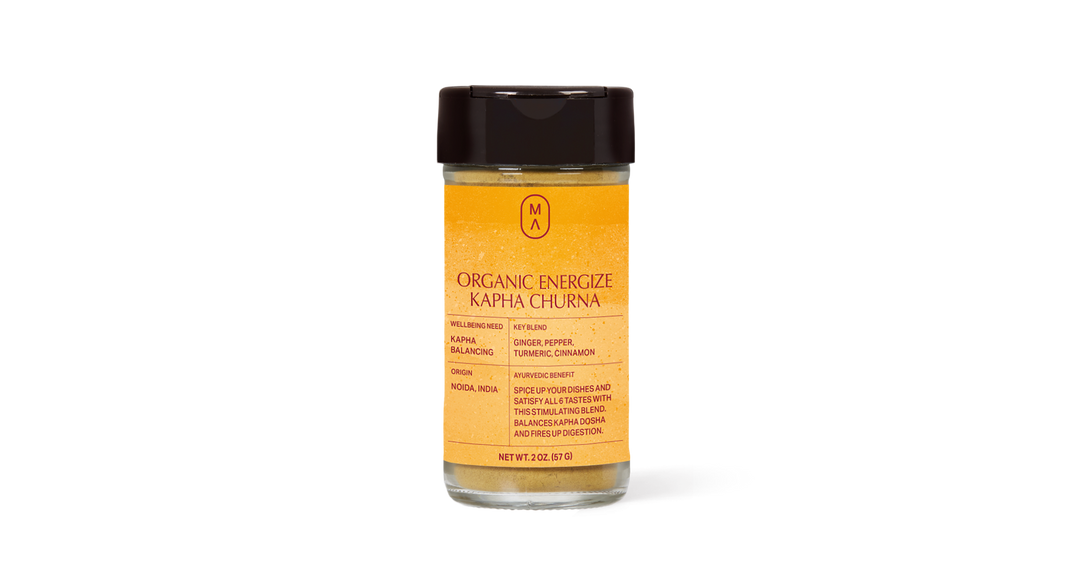
As the American diet tends to consist of predominantly sweet and sour tastes, Ayurvedic churnas, or spice mixes, are convenient ways to incorporate these tastes into your meals.
Another easy way to get more bitter flavor in your meals is to add fenugreek seeds to your foods as they are cooking. Sauté a teaspoon of fenugreek seeds in ghee and then add to your vegetables, or add a teaspoon right into your cooking pot as you make stew or a bean dish.
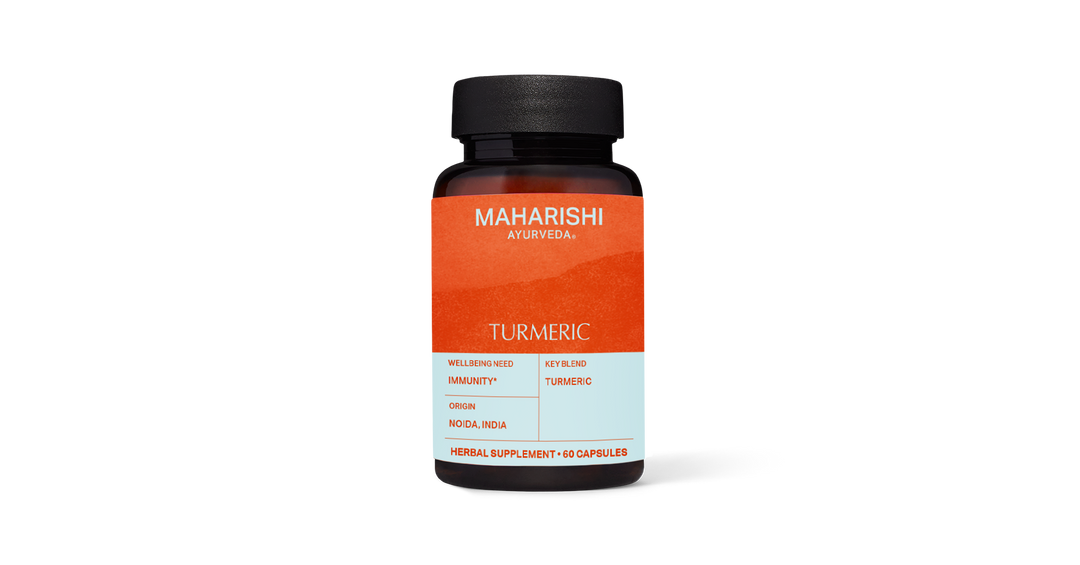
Turmeric is both bitter and astringent, so it’s another great option. The “golden spice” of Ayurveda, turmeric is considered both a blood purifier and an antioxidant. One teaspoon a day cooked with your meals is an excellent and inexpensive health habit that can also up your antioxidant intake.
Pomegranates taste sour, but they are actually both astringent and bitter (and do not aggravate Pitta). In fact, according to Ayurvedic texts, pomegranate is a very Pitta-balancing fruit and a wonderful heart tonic.
Pure pomegranate juice can be purchased at health food stores, and pomegranate seeds from the fresh fruit can be made into a delicious relish or chutney. The chutney is especially beneficial during summer, or when your Pitta dosha is out of balance.
Aloe vera juice is good for everyone, but, because it is bitter, it is especially beneficial for those suffering from Pitta imbalances. It is also generally helpful for digestion and elimination, and it cleanses and refreshes the system.
Spices are a quick, convenient and flavorful way of incorporating the more unusual bitter and astringent tastes into your daily diet, but with a little effort and creativity you can get those tastes from many other foods as well. Discover more recipes featuring astringent and bitter tastes such as lentil and bean dishes.