If you have an organized kitchen and your ingredients handy, cooking an Ayurvedic meal can be simple and fun, taking about 15 minutes to prepare and 20-25 minutes to cook.
Staple ingredients of Ayurvedic cooking
Your kitchen should have the following staple ingredients on hand:
- Split mung beans
- Basmati rice and/or other whole grains such as barley, quinoa, or couscous
- The freshest vegetables you can get
- Ghee or olive oil
- Spices such as ginger, cumin, coriander, and turmeric
- Yogurt
- Wheat flour
- A pre-made chutney
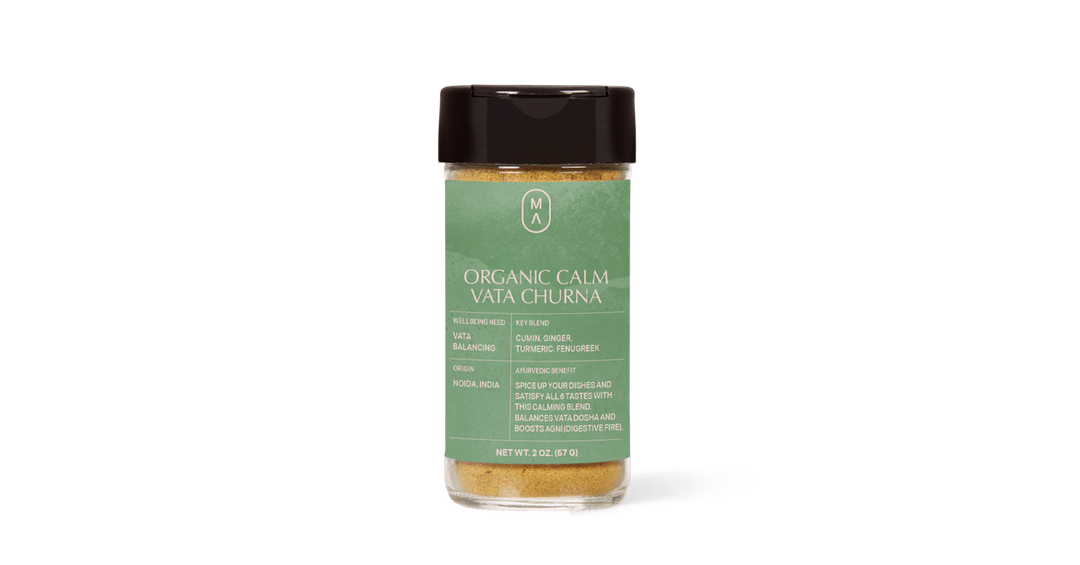
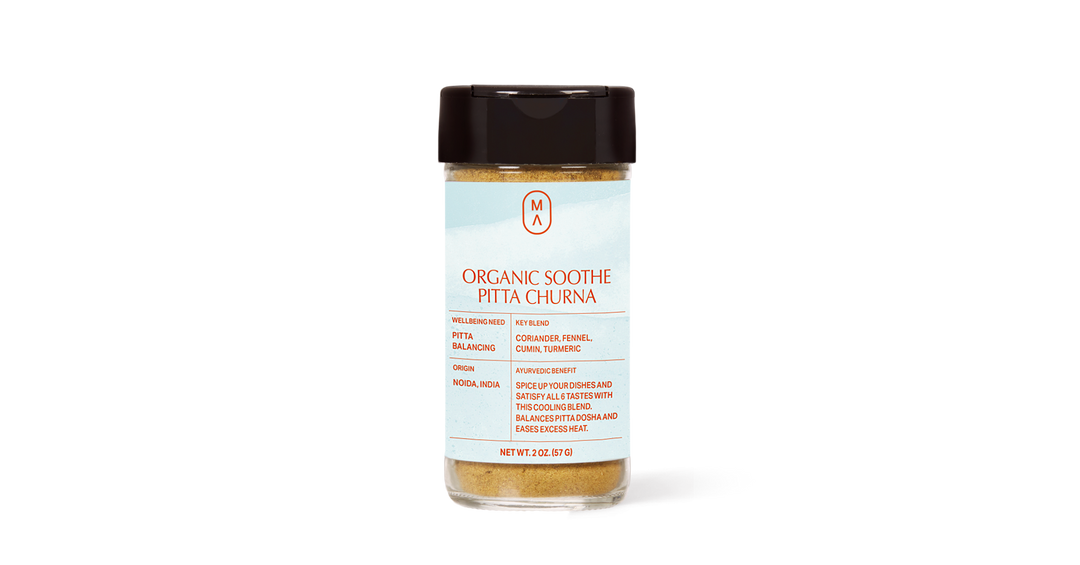
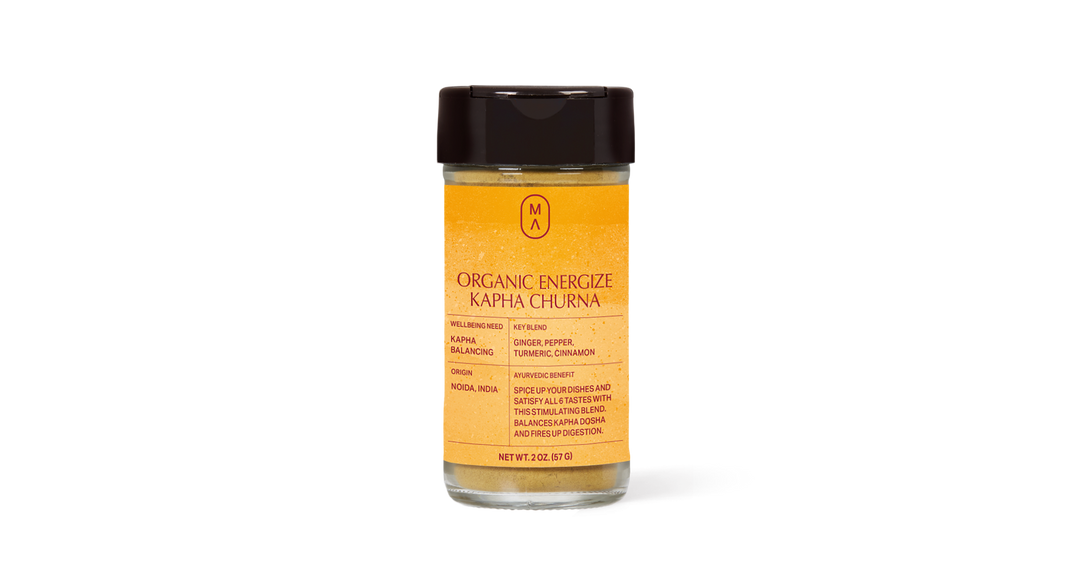
To save time, have spices appropriate to your needs for balance pre-mixed in a container or have handy some Maharishi Ayurveda spice mixtures such as Organic Vata, Organic Pitta, or Organic Kapha Churna. Keep your beans and grains in glass jars for easy measuring.
Split mung beans
Split mung dhal or moong dhal are the green whole mung beans that have been split and the green skins removed. Split mung is the easiest to digest of all the beans and is balancing for all the doshas. It provides protein and the astringent taste.
The Council of Maharishi Ayurveda Physicians recommends that you try to include all six tastes in a meal:
- Sweet
- Salty
- Sour
- Astringent
- Bitter
- Pungent
If you are on a diet to pacify a specific dosha, it is still good to include all six tastes, focusing on the ones related to the specific dosha and taking less of the other ones. For example, a person trying to reduce Pitta would include more of the sweet, bitter and astringent tastes and less of the pungent, sour and salty tastes.
Basmati rice and whole grains
Basmati rice is considered to be a highly beneficial grain, according to Ayurveda. It is balancing for all the doshas; however, eating it every day is not recommended, because it is a little heavy. People with a Kapha imbalance can dry-roast the grain before adding the water for cooking, as this will make it a bit lighter.
Quinoa, barley or couscous can be used for the grains portion of the meal as well. Quinoa has high protein content and is delicious and fast cooking.
Fresh vegetables
As your beans and grains are cooking, start preparing the vegetables. Vegetables should constitute a substantial portion of your meal, and it's good to have at least two different vegetables at each meal — such as carrots and broccoli, or cauliflower and green beans. Dark leafy greens such as kale, spinach, or collard greens can be added to the vegetable dish or prepared separately.
Dark leafy greens have minerals that other vegetables do not have, and it is important to eat them several times per week or even every day if available. You will notice increased benefits from including them in your diet on a regular basis.
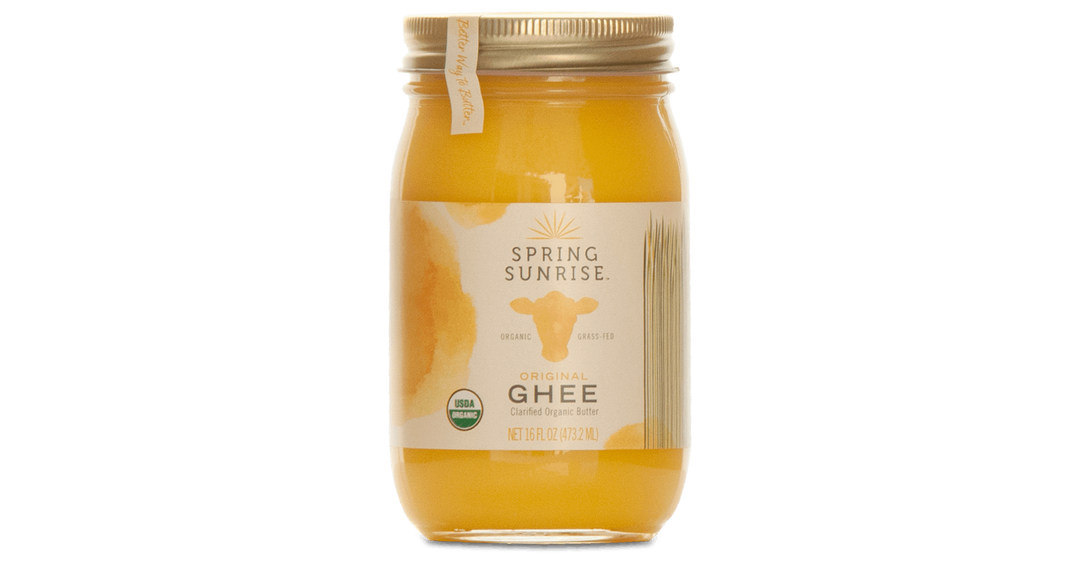
Ghee
According to Ayurveda, the best way to cook vegetables is to sauté them in ghee with spices. By first sautéing the spices in ghee, the volatile oils of the spices are drawn out into the ghee.
These spices have therapeutic value. Turmeric, for example, has been found to be an antioxidant, and other spices such as cumin and coriander help with digestion and assimilation. The spices cook into the vegetables and act as carriers, transferring nutrition from the vegetables into the bloodstream as we consume them. They also make the food taste aromatic and delicious.
First, gently fry the spices in the ghee, taking care not to burn them. Add the chopped raw vegetables to the spice mixture and stir so that all the spices are mixed with the vegetables. Add a couple of spoonfuls of water to prevent sticking. Cover and cook on low heat until the vegetables are well cooked — not mushy, but just "fork friendly." Add salt to taste at the end and some fresh cilantro leaves for garnish.
Ghee is considered a beneficial oil in Ayurveda. According to traditional Ayurvedic texts, it is a rasayana, good for overall well-being and longevity. Modern research shows that it is an antioxidant and contains beta-carotene. Since the milk solids have been removed, ghee does not spoil easily like vegetable oils do. If you are on a weight loss program, limit your intake of ghee or oil to judicious amounts.
The dhal should be spiced using the same process of sautéing the spices in the ghee first. But the ghee-spice mixture should be added to the dhal at the end, when the dhal is finished cooking. (See recipe)
Yoghurt
Lassi (yogurt drink) is a digestive aid for the afternoon meal. It is not recommended in the evening.
Sweet lassi is a drink made from fresh yogurt, water, Organic Rose Water, and sweetener. Fresh organic yogurt is full of fresh lactobacilli, necessary for a well-functioning digestive tract. When made into a drink, it is useful to reduce bloating and allows the digestion of the lunch to be smoother. It also adds nutrition and the sweet taste.
It is worthwhile getting a yogurt maker to make your own yogurt. The yogurt purchased from grocery stores is sour and does not contain the live bacteria freshly-made yogurt does.
Wheat flour
Chapati bread, or flatbreads, add the sweet taste. They are made from wheat flour and are energy-enhancing foods. They are time consuming to make at home, but if you can invest the time and the effort they are worth it because they taste much better than store-bought ones.
You can purchase organic chapatis at most health food stores if time does not allow the homemade ones. However, if you do buy them ready-made, make sure you heat them before serving.
Chutney
Chutneys are usually combinations of spices and cooked fruits. They aid in digestion and add variety, taste and interest to the meal. Keep a few of them stocked in your refrigerator to add some quick variety to your meals.
With practice, a meal that includes grains, beans or lentils, vegetables and the yogurt drink should take only about 15 minutes to prepare and about 25 minutes to cook. You will enjoy a home-cooked ayurvedic meal that is wholesome, nutritious, balanced and fresh.
Discover healthy Ayurvedic recipes you can try at home.
© 1999, 2023 Maharishi AyurVeda Products International, Inc. (MAPI). All Rights Reserved. MAPI does not provide medical advice, diagnosis or treatment. These statements have not been evaluated by the Food and Drug Administration. Products are not intended to diagnose, treat, cure or prevent any disease. SEE ADDITIONAL INFORMATION.